IMPORTANT NOTICE! ALWAYS CHECK YOUR EMAIL FOR THE DOWNLOAD LINK TO YOUR PLAN AFTER COMPLETING A PURCHASE.
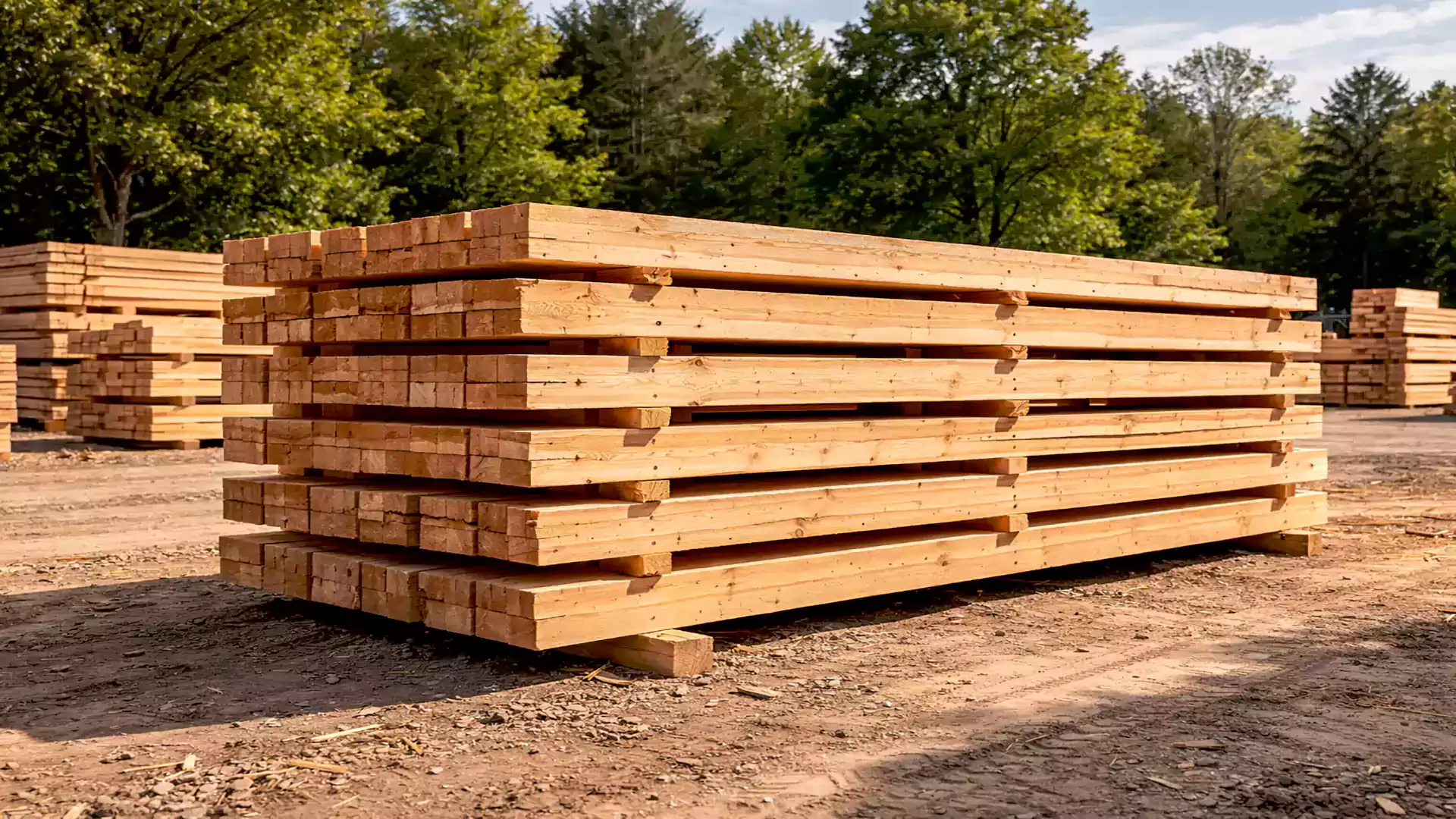
Timber for construction in Kenya. Tree types, sizes and prices 2026.
Timber is an important Material when it comes to construction.
It refers to wood processed into beams, planks or boards for Construction and carpentry.
Timber in Kenya comes in different sizes which are used for different purpose in construction.
In Kenya timber is typically sold based on cross-sectional dimensions and the length.
The cross sectional dimensions are measured in inches and the Most common timber cross sectional sizes are 2×2, 3×2, 4×2, 6×1, 6×2, 8×1 and 10 x 1.
The length of the timber is usually Measured in feet and the Most common lengths are between 7ft – 14ft.
The pricing of timber also depends on which type of tree the timber came from.
The most common trees used for timber in Kenya include Cypress, Bluegum (mti mbao), pine and Grevillea.
The timbers from each tree is used for different purposes in Construction projects.
We take a deeper look into the topic;
(i) Common tree types used for timber in construction.
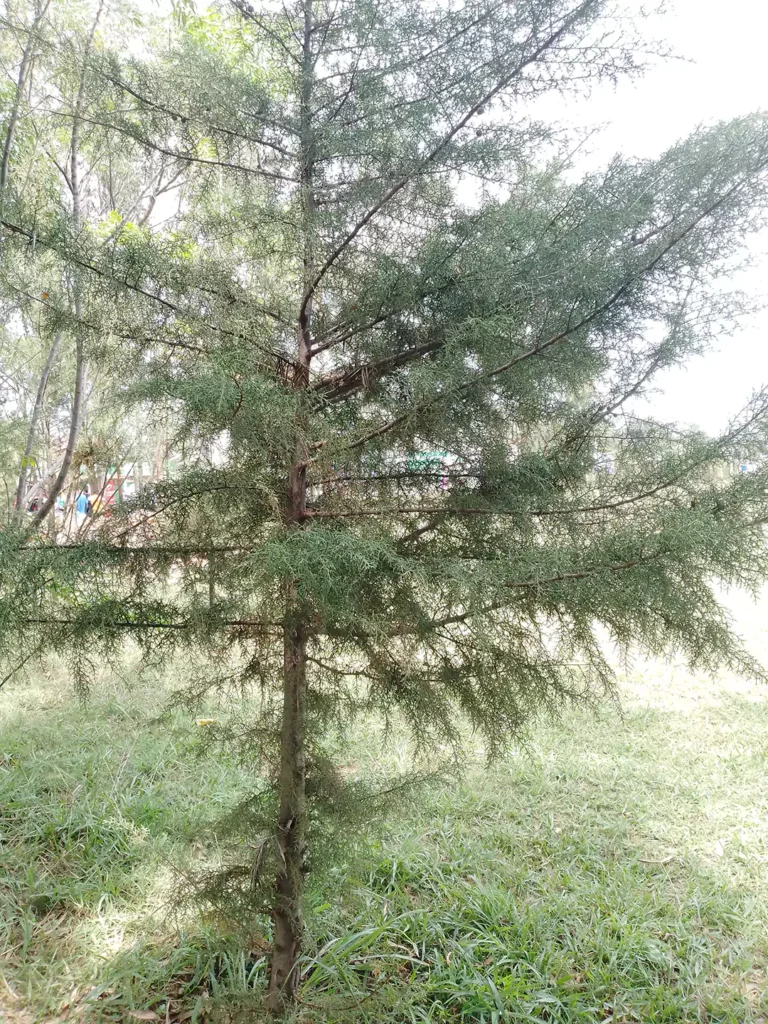
1. Cypress.
- Cypress is a Medium-sized coniferous evergreen tree growing upto 35M (115ft) tall, with a conic crown with level branches and variably loosely hanging branchlets.
- In construction projects, cypress is used for purposes such as Roofing, paneling, Decking, siding and furniture
- It’s lightweight, durable and rot resistant due to the natural oils that it produces.
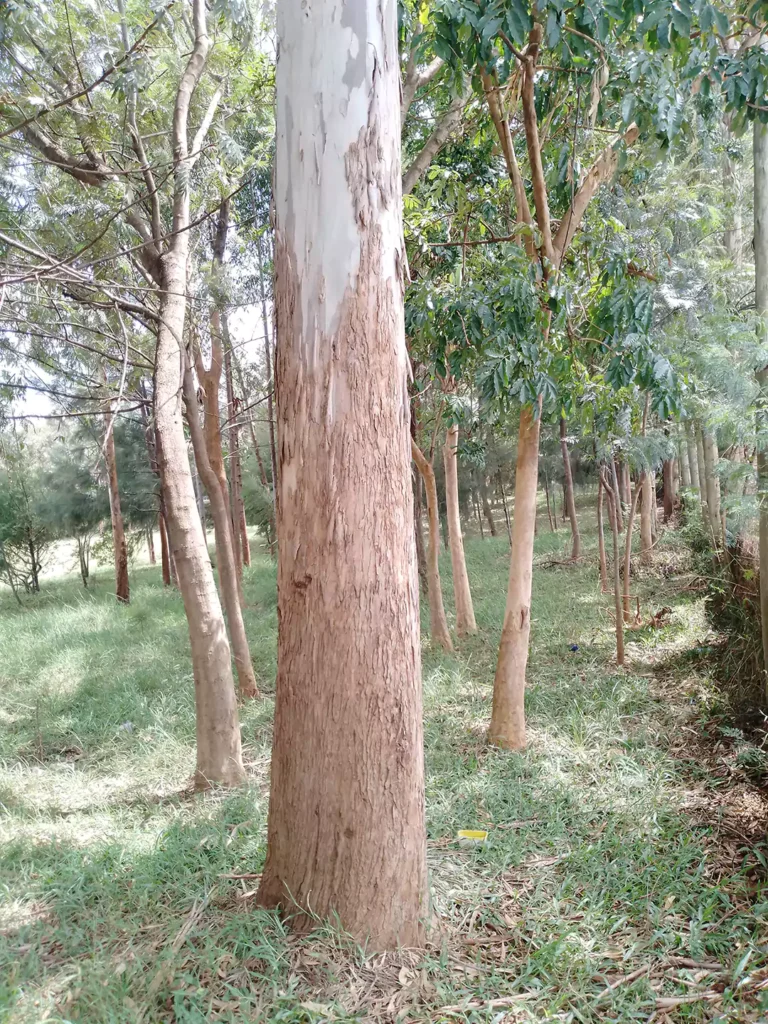
2. Blue gum (mti mbao).
- It is commonly known as eucalyptus or ‘mti mbao’ in Kenya.
- It is a primary source of wood, timber and building poles in Kenya.
- Eucalyptus typically grows to a height of 45M (148ft).
- Its tall, evergreen and has a very fast growth rate which is the main reason it is considered the primary source of timber in Kenya
3. pine.
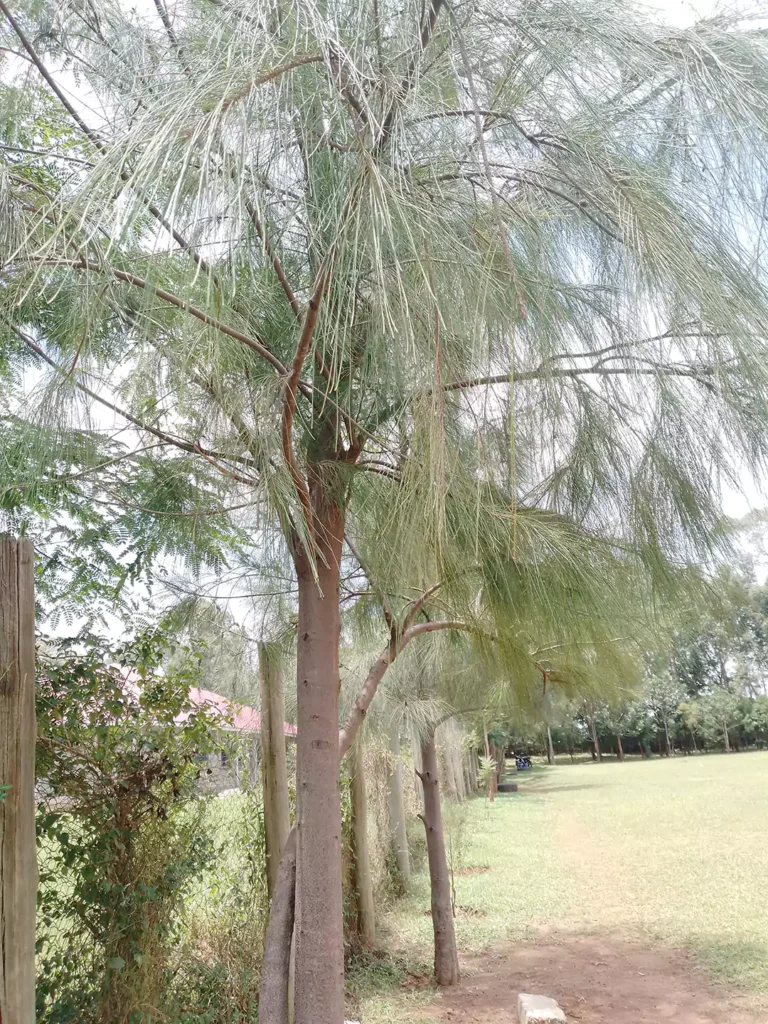
- Pine trees are evergreen, coniferous trees growing 3-80 meters (10-260 feet) tall with Majority of species reaching 15-45M (50-150 ft) tall.
- Pine trees provide one of the Most extensively used types of timber in Kenya.
4. Grevillea.
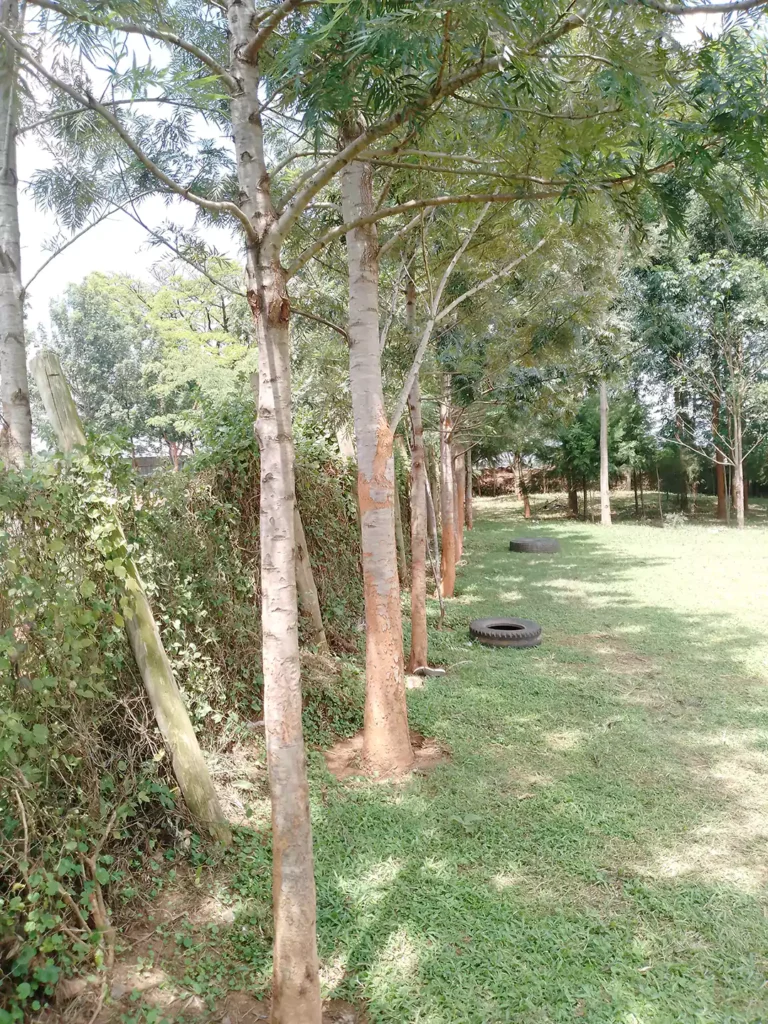
- Grevillea is a fast-growing evergreen tree with the single Main trunk growing 5-40m (20-100) feet tall.
- Grevillea wood is strong, lightweight, durable and water resistant making it a good option for a variety of construction projects in Kenya.
(ii) pricing of timber from the different type of trees (Cypress, Bluegum, pine and grevillea)
| Tree type | sizes (cross sectional size) | price per foot (length) |
| Cypress | 2×2 | Ksh 24 |
| Pine | 2×2 | Ksh 20 |
| Bluegum | 2×2 | Ksh 18 |
| Cypress | 3×2 | Ksh 29 |
| Pine | 3×2 | Ksh 26 |
| Bluegum | 3×2 | Ksh 24 |
| Grevillea | 3×2 | Ksh 23 |
| Cypress | 4×2 | Ksh 40 |
| Pine | 4×2 | KSh 36 |
| Bluegum | 4×2 | Ksh 30 |
| Grevillea | 6×1 | Ksh 25 |
| Cypress | 6×2 | Ksh 60 |
| Pine | 6×2 | Ksh 55 |
| Bluegum | 6×2 | Ksh 46 |
| Cypress | 8×1 | Ksh 60 |
| Pine | 8×1 | Ksh 55 |
| Grevillea | 8×1 | Ksh 35 |
| Cypress | 10×1 | Ksh 75 |
| Pine | 10×1 | Ksh 65 |
(iii) Use of timber in construction.
1. Roofing.
- Timber is used for both pitched and flat roof structures.
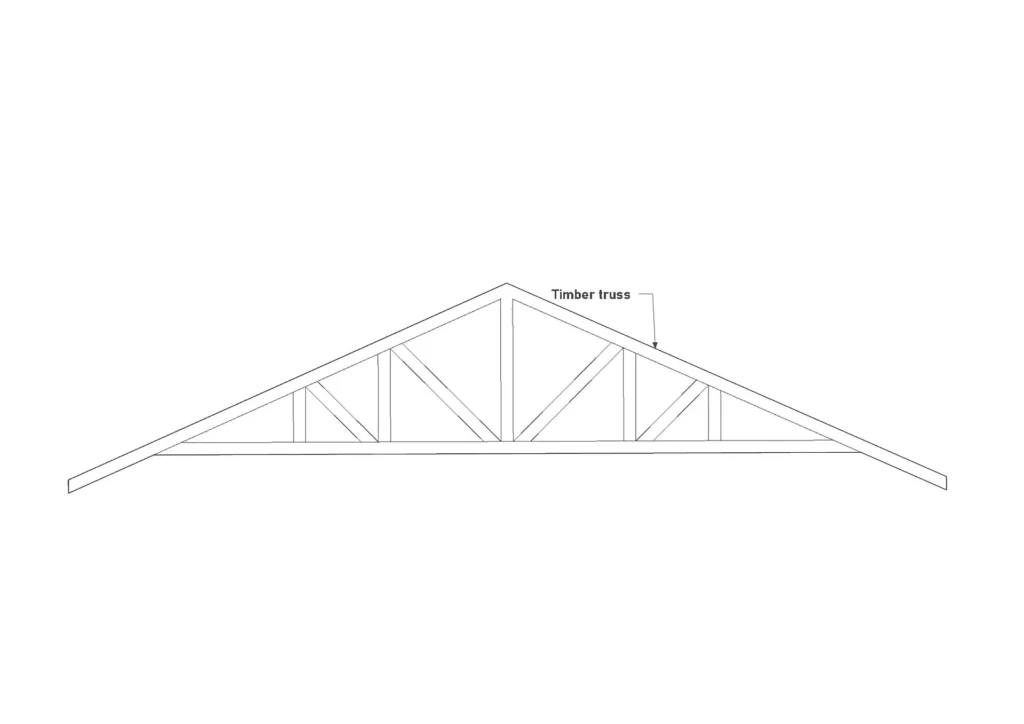
- It is commonly used for trusses.
- A truss is a triangular framework used to support a roof.
- In Kenya 4×2 and 3×2 are the Most common cross-sectional sizes used for timber trusses in residential buildings.
- Cypress and pine are the most common tree types used for roof trusses.
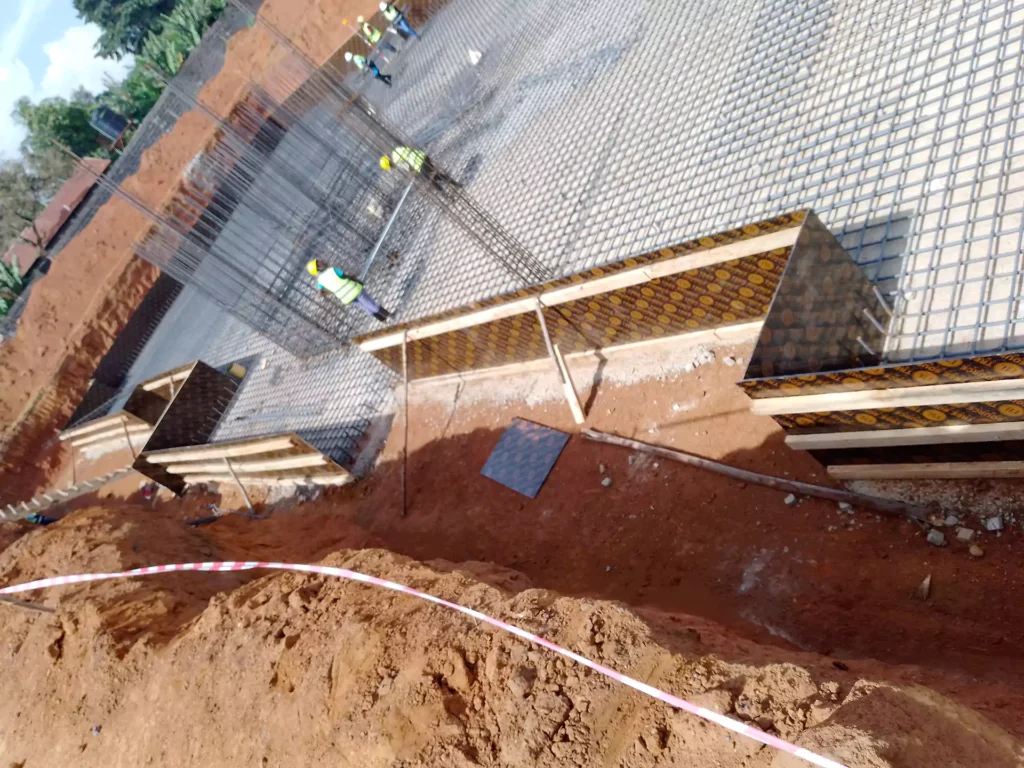
2. Formwork.
- Formwork refers to temporary structures or Molds used to hold wet concrete in place until it cures and becomes self supporting.
- It is critical for shaping structural elements like columns, beams and slabs.
- Cypress, pine and eucalyptus is the Most common used timber for formwork in Kenya.
- Common sizes used are 2×2, 4×2 and 6×2.
3. Doors and windows.
- Timber acts as a Material in the Manufacture of frames and shutters. It is a good option for making doors and windows due to its natural beauty, superior insulation and durability.
- It can also be easily procured since it readily available and a cost-efficient option.
- Cypress and pine are common timber types used in making of doors and windows in Kenya.
- 4×2 is the Most common size for door and window frames.
- 6×1 and 8×1 are used for the shutters.
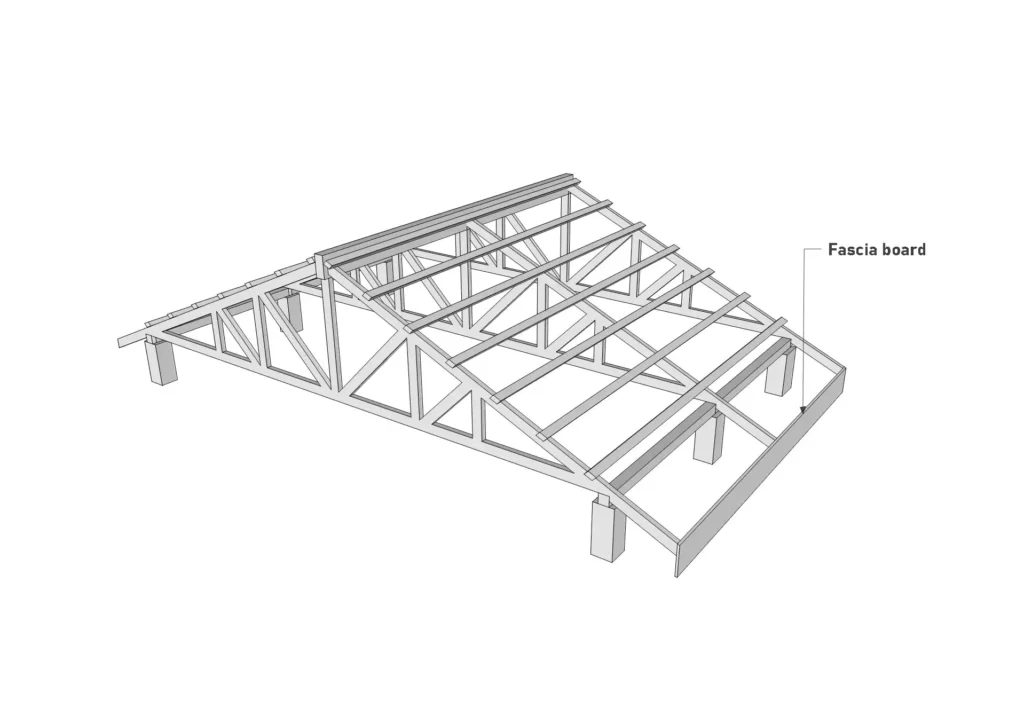
4. Fascia Boards.
- A fascia Board is a horizontal board fixed along the rafter ends of the eaves on a roof. It is also part of the structure that holds the guttering in place.
- Wood Fascia boards are cost-effective option for a housing project.
- The wood has to be primed to ensure it is water resistant and thus will not rot.
- They are painted to avoid the absorption of Moisture and cracking.
- Cypress and pine are commonly used for fascia Boards. The size used is usually 10×1.
5. Ceiling board framework.
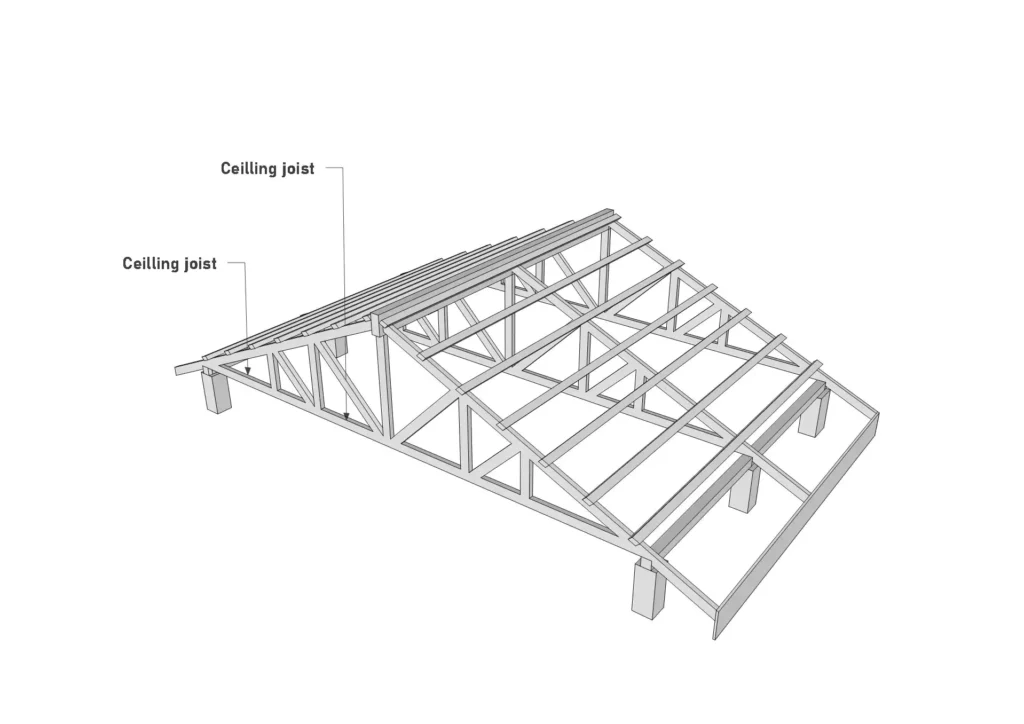
- Timber is used for ceiling joists and beams.
- Ceiling beams are made of thicker timber that span the room. They are the Main Load bearing structural elements of the roof. Joists are smaller closely spaced Members that run between beams
- Cypress and pine are most commonly used for beams and ceiling joists. The sizes used are usually 4×2, 3×2 and 2×2.
6. Rafters and purlins.
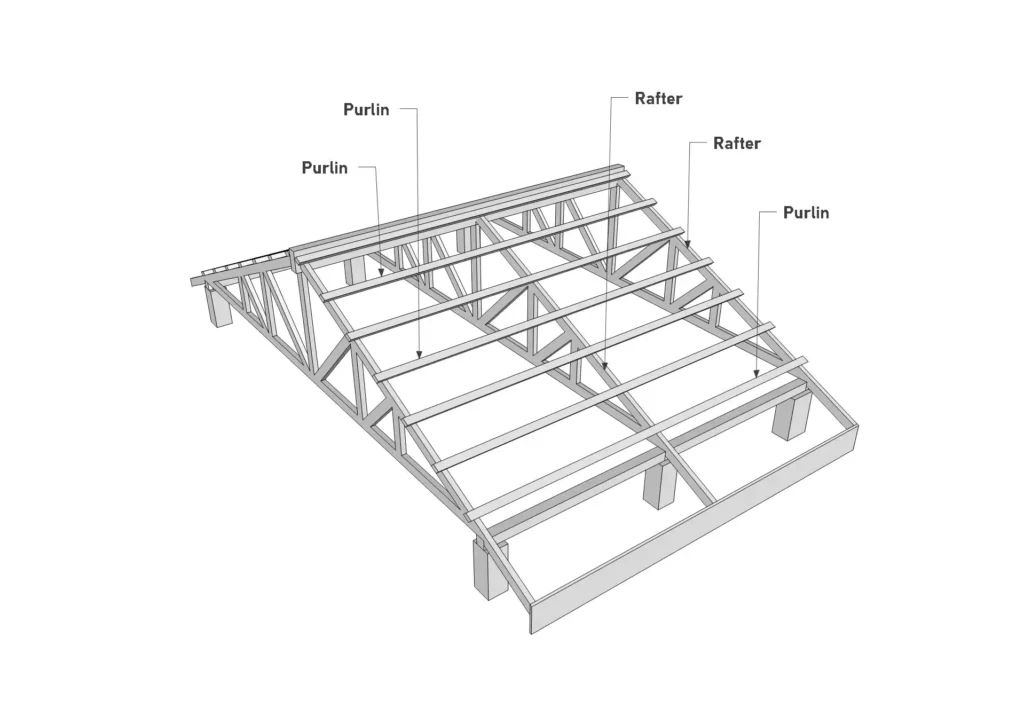
- Rafters are sloped structural Members running from the roof ridge down to the eaves.
- Purlins are horizontal beams installed perpendicular across rafters to provide support and hold roofing sheets
- Rafters define the roof’s slope while purlins enhance structural rigidity.
- The most common sizes of timber used for rafters and purlins are 3×2, 2×2 and 4×2. Bluegum, cypress and pine are commonly used for rafters and purlins.
(iv) Final word.
- Timber is an important Material when it comes to construction in Kenya. Its used at different stages of the construction process both for temporary functions like formwork and for permanent functions Like Roof truss, Fascia boards, and ceiling Joists and beams.
- The timber comes in different sizes that are preferred for different function in the construction project.
- Prices vary according to the size and type of tree from which the timber is harvested.
- Nyumba designs is here to help you make informed choices on which type of timber and sizes to choose for your specific construction needs.